
This post contains affiliate links. As an Amazon Associate I earn from qualifying purchases.
To overwinter potted plants, first separate tender plants that need indoor shelter from hardy plants that can stay outside with root protection. Bring frost-tender plants in before damaging cold, inspect them for pests, and match their winter light and water to whether they remain leafy or go dormant. For hardy outdoor pots, protect the root zone, keep drainage open, and avoid repeated drying. There is no single garage temperature or watering schedule that suits every potted plant.
Quick answer:
Timing: Move frost-tender plants before frost; many tropicals struggle when nights reach the low 40s°F (about 4–7°C), and some need earlier protection.
Outdoor pots: As a starting point, consider plants rated two USDA zones colder than your location, plus suitable protection.
Dormancy: Some hardy dormant plants suit 30–40°F (about −1–4°C); many tender storage organs need roughly 45–55°F (7–13°C), with important exceptions.
Water: Check the plant and unfrozen mix; never follow one fixed schedule for all winter storage routes.
Choose the Right Winter Route
A plant that survives winter in the ground may still lose its roots in a small exposed pot. Conversely, a hardy tree that needs winter dormancy is not automatically happier in a warm living room. Use the nursery label, a botanical name, and local extension advice to decide which route fits. If you do not know the plant’s identity, find that out before pruning it or placing it in cold storage.
| Plant group | Likely winter route | Main caution |
|---|---|---|
| Tender plants kept leafy | Suitable bright indoor space, before damaging cold | Avoid pests, weak light, and soggy mix. |
| Tender bulbs, rhizomes, or tubers that tolerate dormancy | Species-specific frost-free storage | Temperature and moisture requirements differ. |
| Hardy perennials and woody plants | Protected outdoor pots or appropriate cool storage | Roots need more protection than in-ground plants. |
| Unidentified or borderline-hardy plants | Identify first; ask local advice | Do not guess from an attractive display photo. |
What You’ll Need
- Similar bypass pruners — for clean small-stem cuts only when the particular plant’s pruning guidance calls for them, not a universal winter cutback.
- A digital indoor/outdoor thermometer — to check the actual conditions in a proposed garage, porch, or storage corner.
- Similar indoor grow-light bars — optional supplemental light for plants that remain actively leafy, used at the maker’s recommended distance.
- A similar breathable frost cover — limited extra protection for suitable outdoor plants, not a complete root-insulation system.
Useful Supplies for Overwintering Potted Plants
Choose the supplies for your route rather than buying all of them. You may also need clean labels, a tray for indoor drips, and appropriate insulation for hardy outdoor pots. Keep electrical equipment away from watering areas and follow its instructions.

- CLEAN CUTS FOR LIVE GROWTH: Bypass blade design is ideal for pruning delicate flower stems and green growth, helping reduce crushing and plant damage while cutting stems and small branches up to 5/8” in diameter
- BLADES STAY SHARP: Precision-ground steel blades are engineered to stay sharp through heavy use, & all-steel construction provides lasting durability, delivering consistent cutting performance for regular garden maintenance & detailed pruning tasks
- SMART BLADE FEATURES: Blade coating helps reduce friction for smoother cuts, minimizes sap buildup & gumming, and enhances resistance to rust for longer-lasting performance in outdoor conditions; sap groove keeps the blades from sticking during use
- COMFORTABLE, CONTROLLED GRIP: Ergonomic, non‑slip handle enhances control and reduces hand fatigue during repetitive cuts; easy‑open safety lock secures the blade for safe transport and compact storage
- INCLUDES: (1) Fiskars Bypass Pruning Shears designed for everyday gardening and plant care and backed by a Lifetime Warranty. Product care tips: Wipe pruners clean after each use to prevent sap build-up and lightly oil blade for longer product life


- 500FT Longer Range: indoor outdoor thermometer wireless with strong signal penetration humidity sensor to get the temperature and humidity records from 500ft/150m remote range away; Tabletop or wall mountable design; Includes 4 AAA batteries
- Wide Temp & Humid Range: Inside outside thermometer hydrometer measures indoor outdoor temperature and humidity simultaneously; Indoor/outdoor temperature sensor range: -58°F to 158°F (-50°C to 70°C), Temperature accuracy is (+/-2°F); Humidity range is (10% ~ 99%), Humidity accuracy is (+/-2 to 3%RH)
- MAX&MIN Records: Weather stations record all time/24 hours max and min temperature and humidity readings; Wireless thermometer indoor outdoor with temperature trend arrows indicates whether it's getting warmer or colder near the remote temperature monitor
- Widely Application: Indoor outdoor hygrometer wireless ensures proper temperature and humidity control, which has important health benefits, thermometer digital can be placed in baby room, nursery, cellar, basement, warehouse and greenhouse
- Compatible with 3 Sensors: Temperature and humidity monitor can display the readings from up to 3 humidity temperature sensors to monitor different locations; Additional sensor can be ordered

- 6000K White Light - equipped with 10 Red + 74 White LEDs, this growing Lamp is similar to the full-spectrum sunlight at noon,that is professionally designed for indoor garden plants.Moreover, its color rendering index is as high as 95, the light is soft and flicker-free, which is very suitable for reading lamp
- Upgraded Remote with Timer & Dimmable Setting - the remote attached to cord is easy to operate with 3 timer settings of 4Hrs, 8Hrs, or 12Hrs.Once activated, the timer automatically repeats the selected ON and OFF cycle every 24 hours, without manual intervention. You also have full control over the intensity with dimmable options (50%/100%) to suit your plants' precise needs.
- Easy to Install - with flexible Gooseneck & strong clamp,it allows you to place the growth light in any direction to provide the best lighting angle for your plants,meet the cover around the shelf/desk multiple pot plants.
- High Efficiency LED Lamp - as for LED power draw this seedling lights just comsume about 10 w and is equivalent to a 50 watts Halogen Bulb.Estimately monthly cost roughly $2 in electricity (12 hours a day). It is a great gift if you growing some small house plants.
- 【365 Days Warrantty】GooingTop service team offer 365 days warrantty and 24h friendly customer service. If there are ever any issues about the product, please feel fre e to contac t us and we will send you a new replacement.

- THICKER MATERIAL: Our plant freeze protection cover is made of UV stabilized polypropylene. Upgraded thicker 0.9oz./sq.yard lightweight but durable. Soft plant covers are friendly and no harm to your plants. Breathable non-woven fabric allow light, air go through the frost cloths and reach the plants.
- 6.5FTx16FT PLANT COVER: The frost covers for outdoor plants measures 6.5FTx16FT, and this plant covers for winter covers area up to 104 square feet. The freeze plant protection cover is easily trimmed to different size to fulfill different need. After cold weather ends, you can easily fold and store this winter floating row cover.
- WINTER PROTECTION: Frost blankets for outdoor plants protect your plants and crops from harsh weather such as low tem, cold wind, frost, snow, hail, sleet in winter,early spring and late fall. Warm support for young transplants, seedling and extend the growing season.
- SHADE COVER FROM SUN: The outdoor plant cover is not only for winter freeze protection, you can also use it as garden shade cloth cover or plant shade cover from sun, block certain proportion of sunlight and heat. Additionally, it can be used as a screen barrier to prevent birds, small animals and insects during the growth
- EASY-TO-USE: Secured this plant frost cover with soils, stakes, staples, blocks, stones, sticks or garden hoops to provide sufficient space for your vegetables, flowers, crops and small trees such as tomato, strawberry, blueberry, schinus, kale, citrus, grass, rised bed and potted plants.
Seven Steps to Overwinter Potted Plants
Step 1: Identify the Plant and Pick Its Winter Home
Write the plant’s botanical name and usual hardiness on a label, then choose its route from the table. Plan while conditions are still mild enough to move pots safely. Many tropicals should be protected before nights fall into the low 40s°F, and a more sensitive species may need an earlier move. Measure the available floor space and light before bringing in a plant that has doubled in size outdoors.
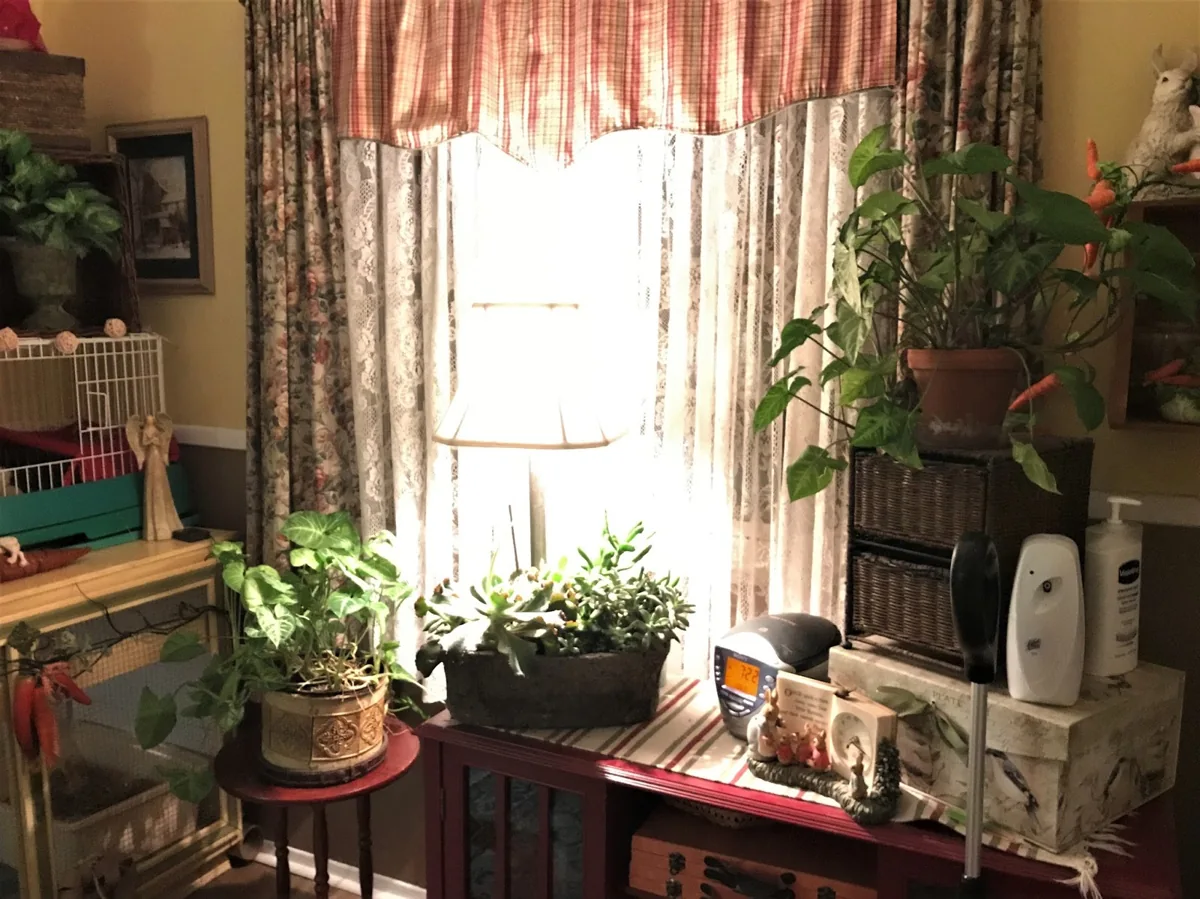
Step 2: Inspect and Clean before Moving Indoors
Check leaf undersides, stems, pot rims, drainage openings, and the soil surface for insects, mites, and damage. Remove dead leaves and other loose debris, clean the outside of the pot, and use a gentle rinse where suitable. Keep incoming plants separate from established houseplants while you monitor them. Identify any pest before treating it; if a pesticide is necessary, it must be labeled for that plant, pest, and indoor setting.
Good to know: Do not put a plant in a home aquarium or use a household cleaner, dish detergent, or homemade pesticide on it. A clean-looking plant still needs monitoring, and a label-approved treatment is not permission to spray indiscriminately.
Step 3: Give Leafy Plants Light without Heat Stress
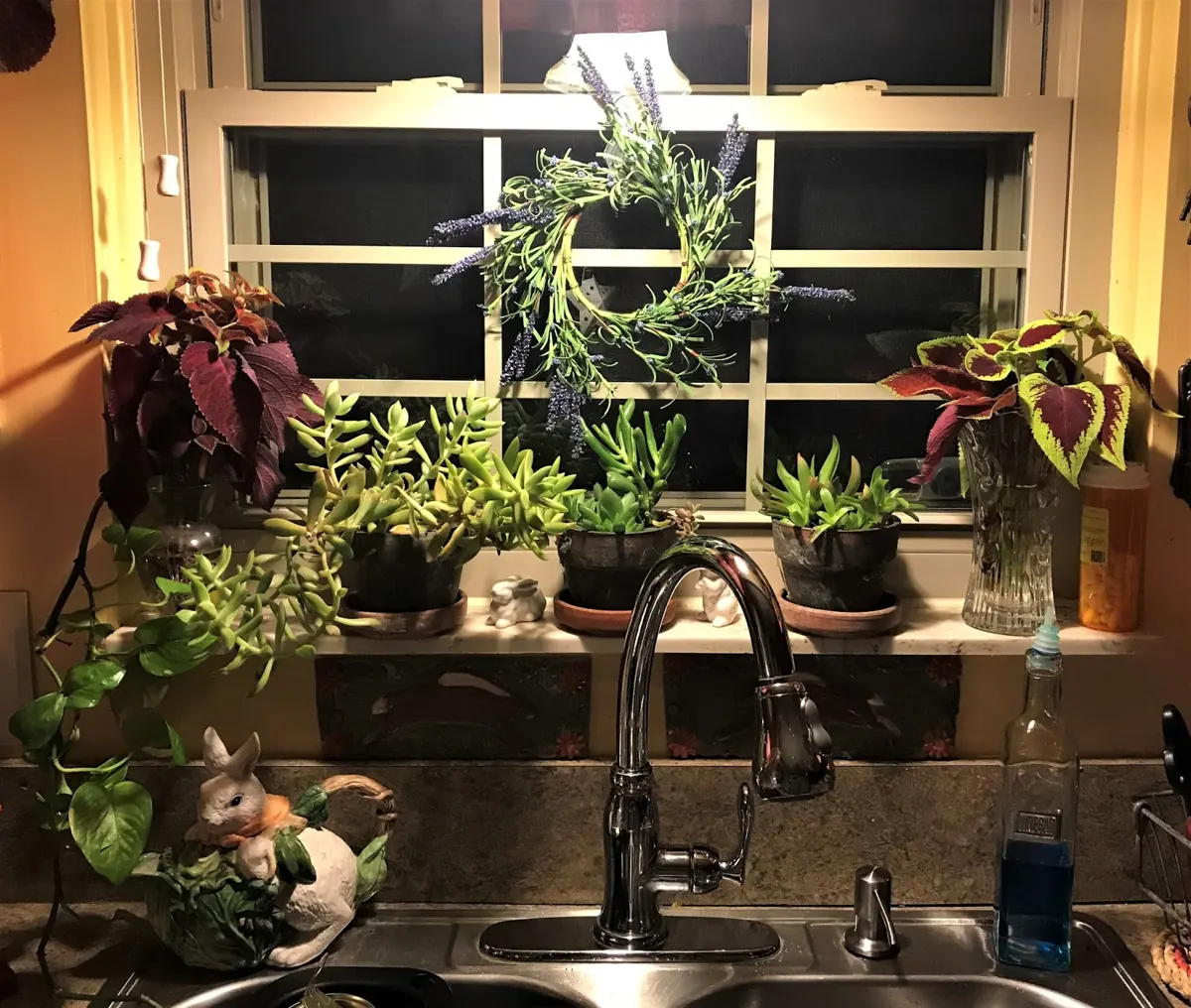
Choose the brightest suitable indoor position for a plant that will keep growing. Introduce it gradually to indoor conditions when weather allows, and keep foliage away from cold glass, opening doors, and heater blasts. A bright-looking room may still provide weak winter light at plant level. Supplemental grow lights can help, but follow the fixture’s distance and safety instructions and match the schedule to the plant rather than leaving lights on all night.
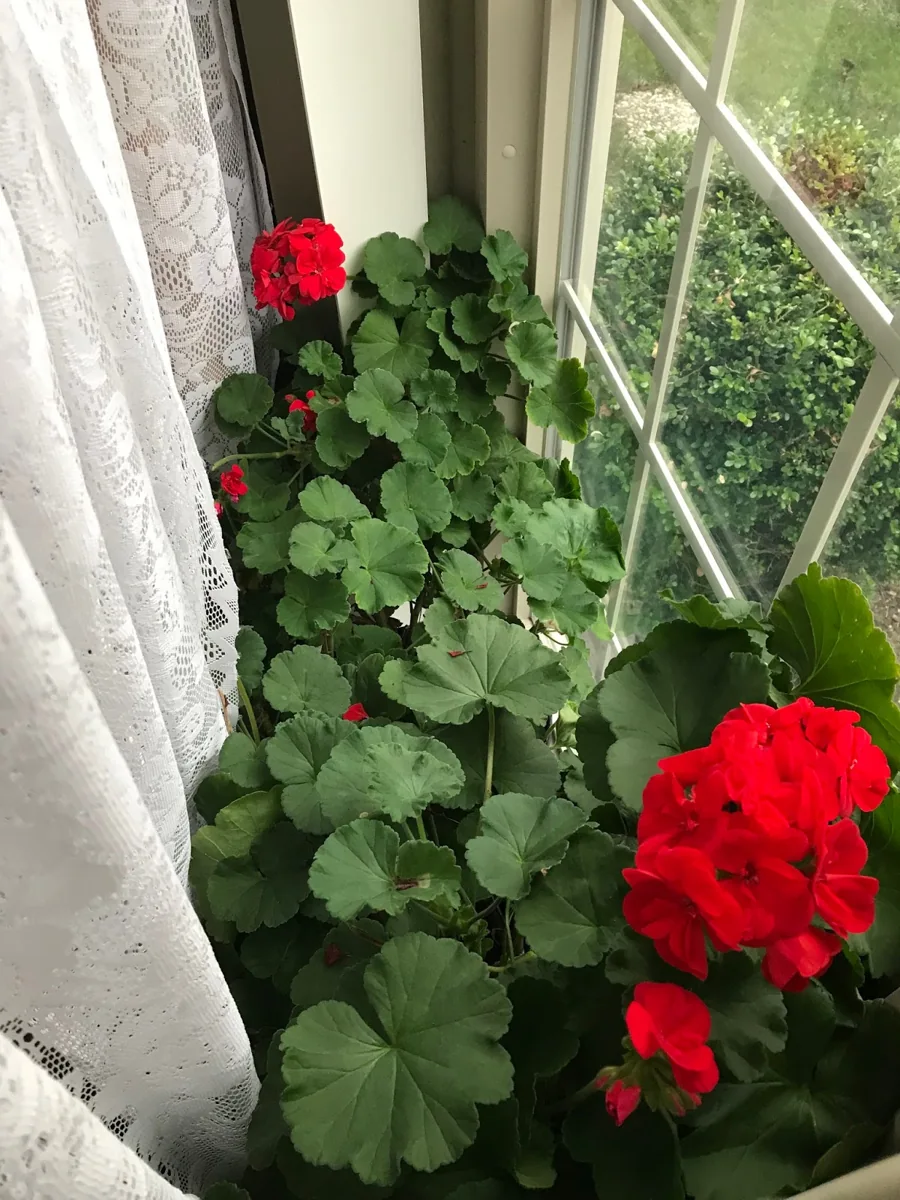
Step 4: Protect Hardy Pots That Stay Outside
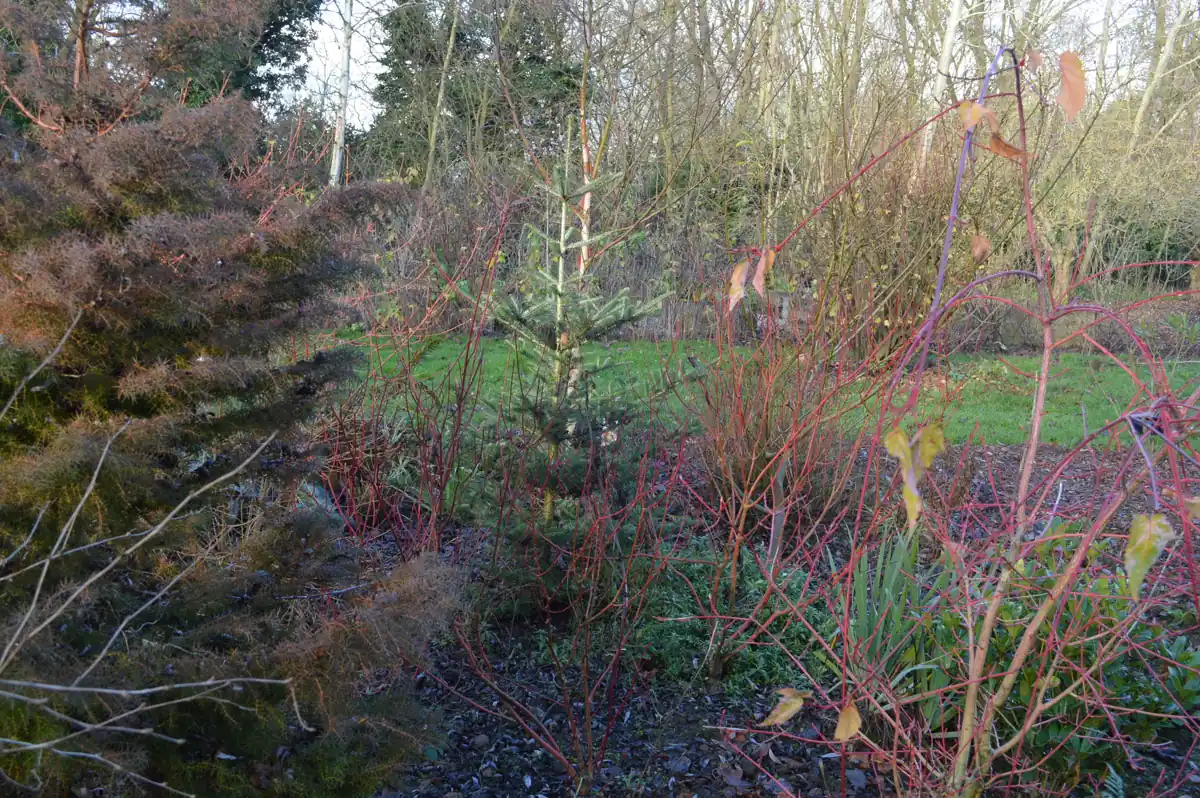
Group suitable hardy containers in a sheltered position away from drying wind, with the more vulnerable pots toward the center. Where practical, sinking a pot into workable ground gives roots more insulation. Otherwise, insulate the container sides with suitable materials such as leaves held within an outer enclosure or a larger protective surround. Keep the crown and drainage outlets clear. The two-zones-colder guideline reduces risk; it does not guarantee survival on an exposed deck.
Step 5: Use Dormant Storage Only When the Species Allows It
Some dormant hardy plants can overwinter in a cool space around 30–40°F, while many tender bulbs or rhizomes need roughly 45–55°F; some need warmer conditions still. These ranges describe different groups, not interchangeable options. Check the thermometer’s lows as well as its daytime reading. An unheated garage can freeze hard, and a warm basement may trigger weak growth. Keep evergreens supplied with appropriate light rather than putting them in permanent darkness.
Step 6: Monitor Moisture, Pests, and New Growth
Check stored plants periodically and feel the mix before watering. Leafy plants need more water than dormant ones, but slower winter growth usually means less demand than outdoors in summer. Water when the particular plant needs it and empty indoor catch trays. Check outdoor pots only when their mix can be assessed unfrozen. New shoots can mean the plant needs more light or a revised care plan—not that winter has ended.
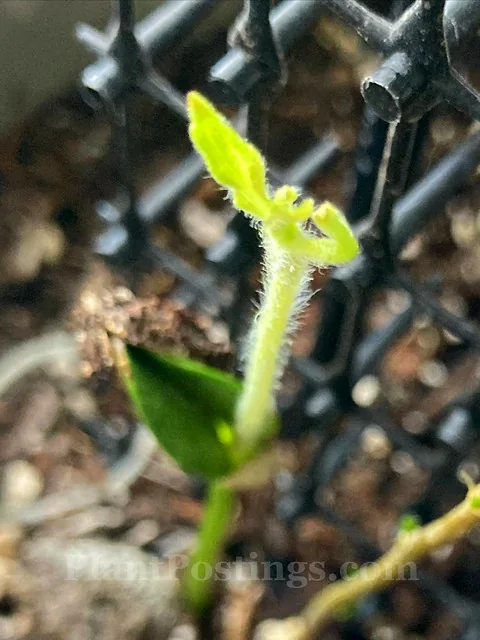
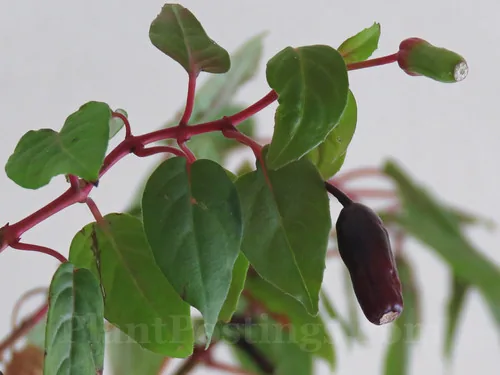
These fresh shoots and fuchsia buds are real observations from overwintered plants, not a promise that every plant will flower indoors. Notice the change in growth, then reassess light, temperature, and moisture for that plant rather than automatically feeding it or moving it outside.
Step 7: Reintroduce Plants Gradually in Spring
When conditions are suitable for the species, begin with a sheltered, shaded outdoor period and gradually increase exposure. Avoid moving soft indoor growth straight into strong sun or wind. Penn State advises waiting for reliably above-50°F (10°C) nights for the tropical plants in its overwintering guidance; hardy dormant plants follow a different timetable. Continue to watch forecasts and bring tender plants back to protection if cold returns.
Troubleshooting Winter Storage Problems
- Leaves yellow soon after the move → Check moisture, drainage, and the change in light before adding fertilizer. Some adjustment-related leaf loss is possible, but wet, declining roots need prompt attention.
- New shoots are long and pale → The plant may be growing in too little light or a space that is too warm for its intended dormancy route. Recheck the plant-specific plan rather than cutting it back repeatedly.
- A pot cracks during freezing weather → Protect yourself from sharp fragments, keep the root ball supported, and move it only when safe. For next winter, choose a container actually rated for the conditions.
- Outdoor evergreen leaves look dry → Check wind exposure and root-zone moisture during a thaw. Brown foliage alone does not tell you whether the roots are dry, frozen, damaged, or waterlogged.
FAQ
Can I leave potted plants outside all winter?
Sometimes, but the plant’s in-ground hardiness is only one part of the decision. Pot size, exposure, drainage, container material, and the length of cold spells all matter. A small nursery pot on a windy balcony is not equivalent to a large protected container at ground level. In severe climates, plan suitable protected storage for plants you particularly want to keep.
Is an unheated garage always safe for overwintering?
No. The temperature can fall below freezing or rise enough to break dormancy, depending on the building and weather. Measure the actual highs and lows, and decide whether the plant needs light while stored. Never run a vehicle in an enclosed plant-storage area to warm it. Choose the plant’s required conditions first, then decide whether the garage provides them.
Should I fertilize plants during winter storage?
Not automatically. A dormant plant does not need fertilizer to stay asleep, and feeding cannot replace missing light. For a plant actively growing indoors, follow its species-specific guidance and the product label; do not apply a summer feeding routine by habit. Before feeding a struggling plant, rule out waterlogged mix, pests, and unsuitable temperatures.
What if my indoor space is shared with pets?
Check each exact plant in a reliable toxicity resource and keep toxic species inaccessible. For example, the ASPCA lists geraniums, including Pelargonium species, as toxic to cats and dogs. Moving a pot onto a low windowsill can make it easier to reach, not safer. Also secure lamps and cords, clean up fallen leaves, and prevent access to fertilizers or pesticides.
Sources for Your Plant-Specific Plan
Penn State Extension’s tropical-plant overwintering guide explains the different needs of leafy tropicals and stored bulbs or rhizomes. Brooklyn Botanic Garden’s container overwintering guidance covers exposed roots, cool storage, and insulation. For pets, check the ASPCA geranium entry and the exact names of your other plants.
A clear label and the right winter route do more than a blanket draped over every pot. Start with the plants you value most, and give each one conditions you can realistically maintain until spring.
Featured photo: 📷 Natascha.